Accelerators
Attack Graph AI Agent

THE PROBLEM
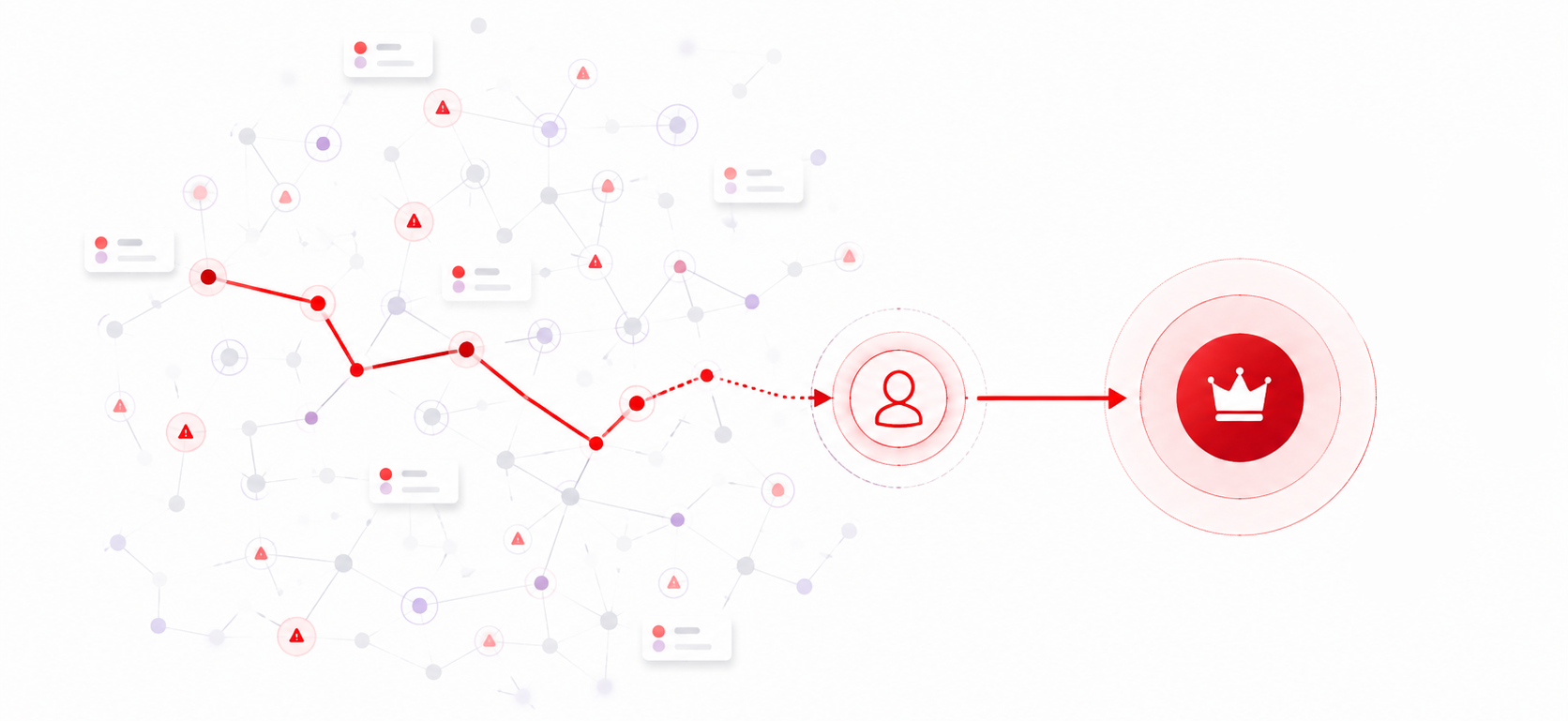
Enterprises invest heavily in cloud security tooling, yet remain critically exposed. Tools like AWS Security Hub and GuardDuty surface thousands of individual findings, CVEs, and misconfigurations in isolation, but none reveal how those low- and medium-severity issues chain together into a multi-hop attack path capable of reaching Crown Jewel assets. The result is threefold: attack paths remain invisible until an adversary walks them, analysts drown in undifferentiated alert noise with no way to prioritize what actually matters, and high-leverage choke points such as over-privileged shared IAM roles go undiscovered until they are exploited. For regulated industries like banking, this isn't just inefficient, it's an unmanaged breach risk and an unmet compliance obligation under frameworks like PCI-DSS and ISO 27001.
OUR SOLUTION
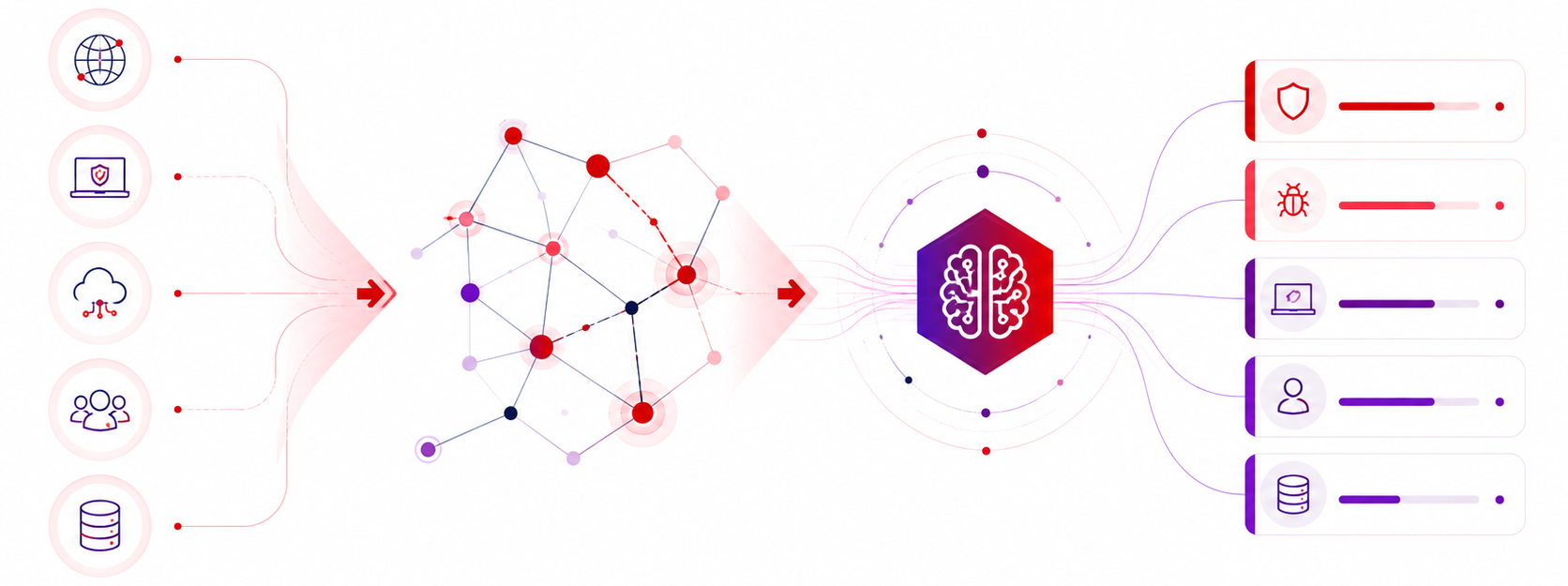
The Attack Graph AI Agent is a proactive, AI-driven platform that continuously ingests asset relationships, IAM permissions, misconfigurations, and vulnerability data into a live, queryable attack graph, then autonomously reasons over that graph to surface what static, alert-based tools cannot: the hidden paths an attacker would actually take. Rather than presenting analysts with another list of isolated findings, the system correlates them into ranked, plain-language attack narratives and actionable remediation playbooks, closing the gap between detection and prevention.
WHAT MAKES IT UNIQUE
Most security tools stop at detection. Attack Graph AI Agent is built for causal reasoning: it doesn't just tell you what's wrong, it shows you how disparate weaknesses combine into a breach route, and which single points of failure carry the greatest blast radius. It fuses graph-based structural analysis with autonomous multi-agent reasoning, so paths and choke points are surfaced continuously and proactively, not discovered retroactively after an incident. And because every finding is automatically mapped to compliance controls, the same intelligence that protects the institution also generates the audit-ready evidence regulators require.
INNOVATIVE APPROACHES, METHODS & TECHNOLOGIES
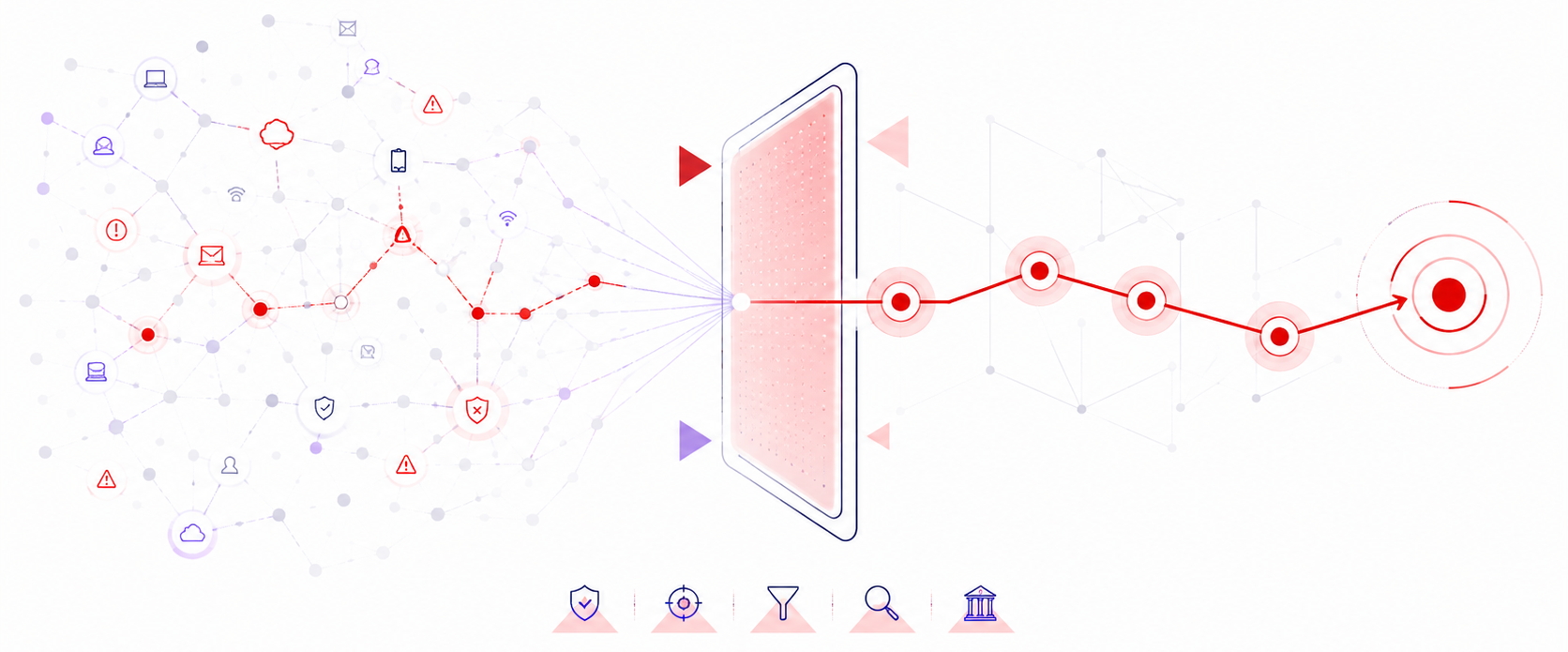
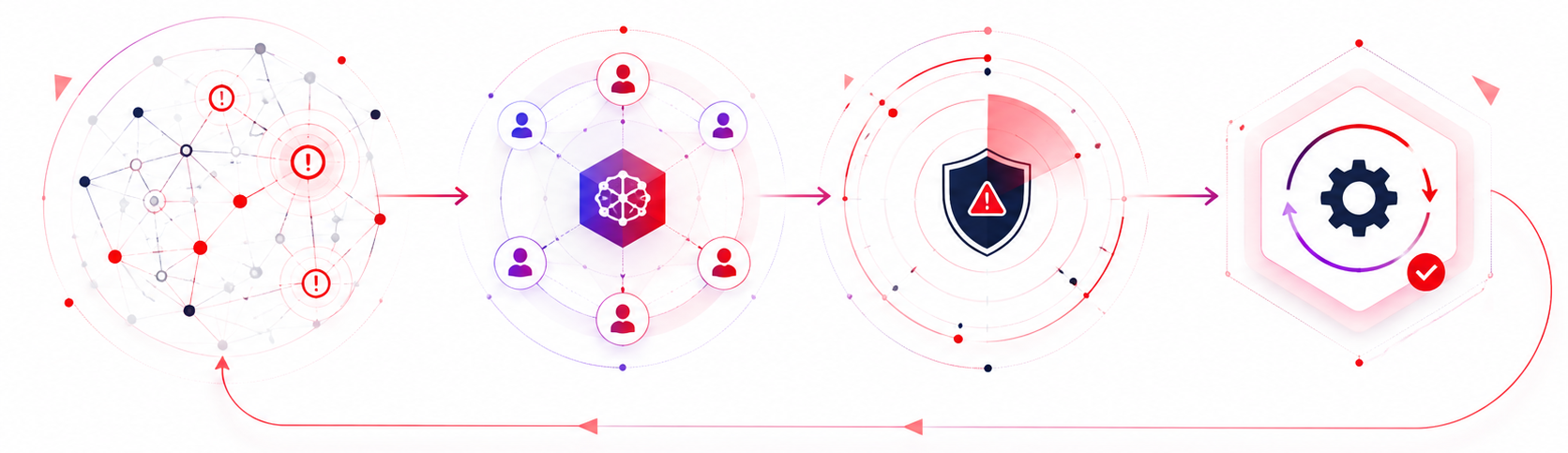
Amazon Neptune serves as a live attack graph database, using Gremlin traversal to model lateral-movement paths across hybrid AWS and on-premises infrastructure in real time.
Amazon Bedrock powers a multi-agent orchestration layer, a Claude-based Supervisor Agent coordinates five specialist sub-agents (Ingestion, Graph Builder, Threat Intel, Risk Scoring, and Remediation) to autonomously traverse the graph, identify choke points, and generate remediation guidance without manual correlation.
Amazon GuardDuty and SIEM/SOAR integration deliver real-time ML threat detection across CloudTrail, VPC Flow Logs, DNS, and EKS, with high-severity findings triggering EventBridge events that are correlated instantly against pre-mapped choke points, revealing which attack paths are being actively traversed as it happens.
AWS Systems Manager closes the loop with Infrastructure-as-Code remediation proposals, turning insight directly into action.
THE IMPACT WE AIM TO ACHIEVE
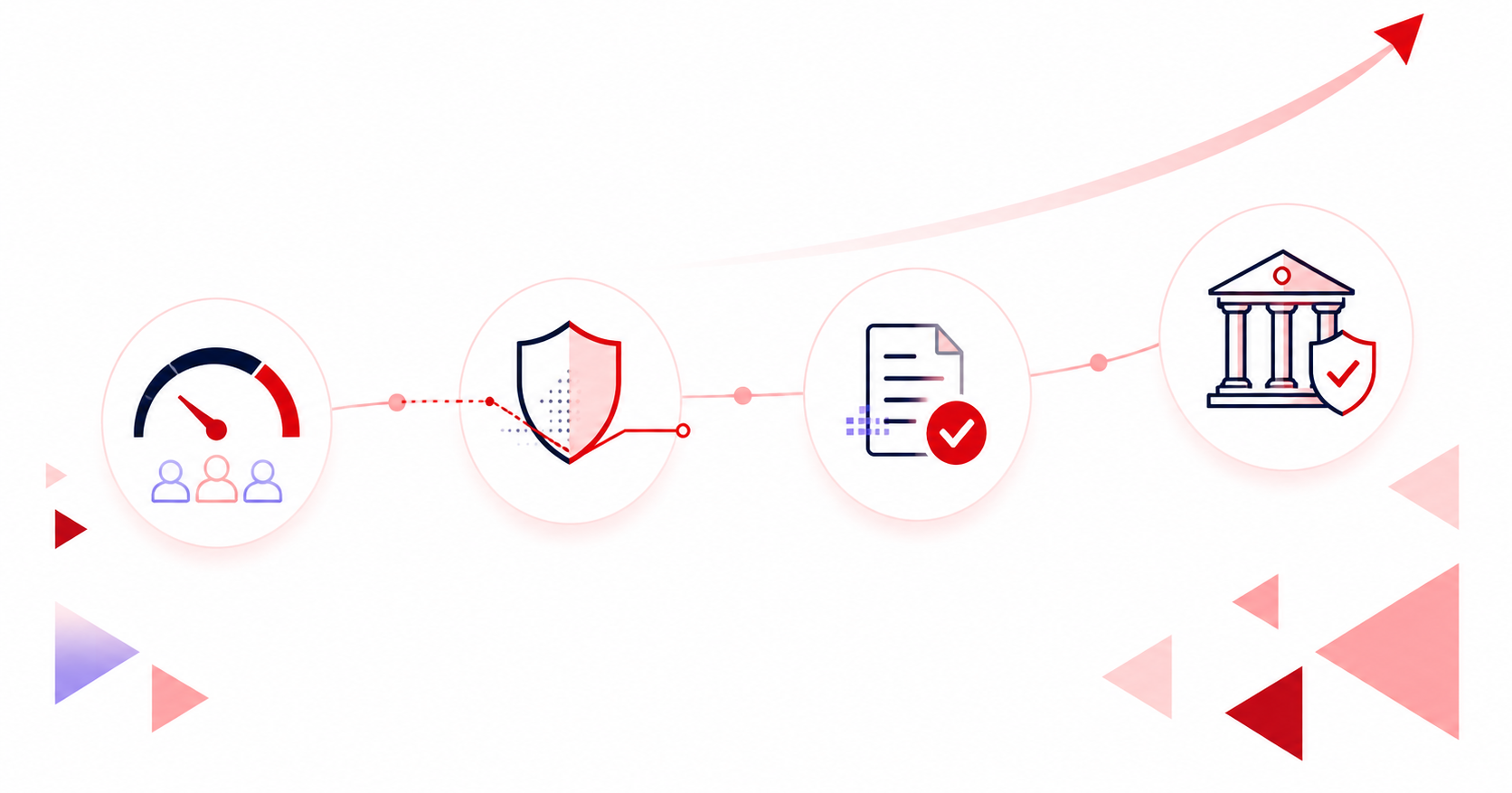
By shifting security operations from reactive alerting to proactive path prevention, we aim to measurably reduce analyst triage time, close previously invisible breach routes to core banking and customer data systems before they're exploited, and give regulated institutions continuous, audit-ready evidence of proactive threat management. Ultimately, this project reframes cloud security from a race to respond into a discipline of getting ahead.